


Modern events have become increasingly complex environments where safety, security, and guest experience must work together. Whether it is a large music festival in London, a corporate conference in Birmingham, a sporting event in Manchester, or a private function in Edinburgh, organisers are responsible for creating a safe environment for attendees, staff, performers, and contractors.
As events continue to attract larger audiences and face evolving security challenges, professional event security teams have become an essential part of successful event management. Their role goes far beyond checking tickets at entrances or standing at venue doors. Today’s security professionals contribute to planning, risk management, crowd safety, emergency response, and overall event operations.
A well-trained security presence helps event organisers identify potential risks, manage crowds effectively, respond to incidents quickly, and maintain a positive experience for everyone attending. Professional event security services UK providers work alongside venue managers, event planners, and emergency services to ensure safety procedures are implemented before, during, and after an event.
From access control and visitor screening to emergency planning and incident management, trained event security personnel play a vital role in protecting people and supporting smooth event delivery.
Why Event Security Has Become Essential in Modern Events
The scale and expectations of modern events have changed significantly. Large gatherings now require detailed planning, professional coordination, and effective security strategies to manage potential risks.
Events are no longer only about entertainment or business objectives; organisers also have a responsibility to protect attendees and comply with health and safety expectations.
Increasing Attendance and Crowd Management Challenges
Many events attract thousands of visitors, creating complex crowd management requirements. Music festivals, concerts, exhibitions, conferences, and sports events involve large numbers of people moving through limited spaces.
Without proper planning, challenges can arise, including:
- Overcrowding in specific areas
- Unsafe crowd movement
- Queue management issues
- Unauthorised access
- Conflicts between attendees
- Delayed emergency response
Professional event security teams help manage these challenges by monitoring crowd behaviour, controlling access points, and ensuring visitors can move safely around the venue.
Effective event crowd management requires trained personnel who understand human behaviour, communication techniques, and safety procedures.
Protecting Public Safety and Event Reputation
Event organisers have a duty of care towards attendees, employees, and contractors. A poorly managed security situation can affect not only safety but also the reputation of an organisation.
A professional security approach helps protect:
- Guests and visitors
- Event staff
- Performers and speakers
- Venue facilities
- Equipment and assets
- The organiser’s reputation
Security is also an important part of creating confidence. When attendees see trained professionals managing the environment, they often feel safer and more comfortable participating in the event.
Managing Modern Security Risks
Events can face various risks depending on location, audience size, and event type. These may include:
- Unauthorised entry
- Aggressive behaviour
- Lost children or vulnerable visitors
- Medical emergencies
- Suspicious activity
- Property theft
- Fire safety concerns
- Evacuation requirements
Professional event risk management helps identify possible issues before they occur. Security teams work with organisers to develop practical solutions, including deployment plans, communication procedures, emergency response strategies, and access control measures.
What Do Event Security Teams Do?
The responsibilities of professional event security teams extend across multiple areas of event operations. Modern security personnel are not simply reactive; they play an active role in prevention, planning, and maintaining a safe environment.
Experienced event security guards UK typically support organisers through:
- Security planning
- Access control
- Crowd management
- Visitor screening
- Venue protection
- Emergency response
- Incident reporting
- Communication with event management teams
Their work starts before the event begins and continues until the venue is safely closed.
Access Control and Entry Management
One of the most visible responsibilities of event security professionals is managing entrances and controlling access.
Effective entry management helps ensure that only authorised individuals enter restricted areas while maintaining a smooth experience for genuine visitors.
Security teams may assist with:
Ticket Checking Support
Security personnel often work alongside event staff to monitor entrances, identify access issues, and direct visitors to appropriate areas.
Preventing Unauthorised Access
Large events may include restricted areas such as:
- Backstage zones
- Staff-only areas
- VIP sections
- Equipment areas
- Operational spaces
Trained security officers help prevent unauthorised individuals from entering sensitive locations.
Bag Checks and Visitor Screening
Depending on the event requirements, security teams may carry out bag checks and visitor screening procedures to support safety policies.
These measures are commonly used at:
- Concerts
- Stadium events
- Festivals
- Public gatherings
- Corporate venues
Queue Management
Long queues can create safety concerns if they are not properly managed. Security personnel help organise visitor movement, reduce congestion, and maintain orderly entry processes.
Crowd Management and Public Safety
Crowd management is one of the most important responsibilities within event security management.
A successful event depends on visitors being able to move safely while enjoying their experience.
Professional security teams monitor:
- Crowd density
- Movement patterns
- Potential conflicts
- Restricted areas
- Emergency routes
Managing Large Crowds Safely
At major events such as festivals and concerts, crowds can change quickly. Security professionals use observation skills and communication techniques to identify issues early.
Examples include:
- Preventing overcrowding near stages
- Managing audience movement between areas
- Supporting safe entry and exit routes
- Assisting vulnerable visitors
- Preventing disputes from escalating
Conflict Management and Communication
Security personnel are often trained in conflict management techniques designed to resolve situations professionally.
Their approach focuses on:
- Clear communication
- De-escalation
- Professional behaviour
- Protecting public safety
A skilled security team aims to prevent problems from becoming serious incidents while maintaining a welcoming environment.
Risk Assessment and Security Planning
Effective event security begins before attendees arrive.
A professional security approach includes detailed planning based on the venue, audience, activities, and potential risks.
Pre-Event Security Assessment
Before an event, security teams may review:
- Venue layout
- Entry and exit points
- Emergency routes
- Crowd capacity
- Potential security concerns
- Staff responsibilities
This process helps create a suitable security deployment plan.
Event Risk Management
Every event has different requirements. A small private function will need a different approach compared with a large music festival or stadium event.
Security planning considers factors such as:
- Event size
- Location
- Expected attendance
- Audience profile
- Venue design
- Operating hours
- Emergency procedures
A professional risk assessment allows organisers to prepare appropriate safety measures rather than relying on reactive responses.
Security Briefings and Team Coordination
Before an event begins, security teams normally receive operational briefings covering:
- Roles and responsibilities
- Communication procedures
- Emergency plans
- Reporting processes
- Key areas requiring monitoring
Strong coordination between security teams, venue management, event organisers, and emergency services improves overall safety.
Emergency Response and Incident Management
Unexpected situations can happen at any event. Professional security teams provide an important first response capability while supporting emergency procedures.
Security personnel may assist with:
- Medical emergencies
- Evacuation procedures
- Missing persons situations
- Safety incidents
- Access for emergency services
- Incident reporting
Supporting Emergency Services
During serious incidents, security teams often work alongside:
- Police services
- Ambulance services
- Fire and rescue teams
Their knowledge of the venue layout and event operations can help emergency responders reach affected areas quickly.
Incident Reporting
Accurate incident reporting helps organisers understand what happened and improve future safety procedures.
Reports may include:
- Time and location of incidents
- Actions taken
- People involved
- Witness information
- Follow-up recommendations
This supports continuous improvement in event safety management.
How Event Security Teams Improve Event Management
Professional event security teams are an important part of modern event operations. Their role is not limited to preventing problems; they actively support organisers in delivering safe, efficient, and well-managed events.
From planning security procedures before an event to managing situations during live operations, trained security personnel help create a structured environment where visitors, staff, and performers can focus on the event experience.
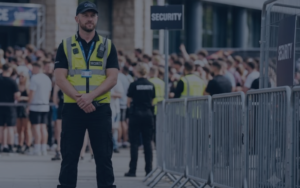
Creating a Safer Environment
A visible security presence provides reassurance to attendees and helps maintain order throughout the event.
Professional security teams contribute to safety by:
- Monitoring visitor behaviour
- Managing access points
- Identifying potential risks early
- Supporting safe movement around venues
- Responding quickly to incidents
At large gatherings such as festivals, concerts, and sports events, security visibility can help discourage unwanted behaviour while ensuring visitors know where to seek assistance.
A well-organised security presence also improves cooperation between attendees and event staff, creating a more positive atmosphere.
Supporting Event Organisers
Event organisers have many responsibilities, including logistics, entertainment, guest management, suppliers, and venue coordination. Managing security internally can become challenging, especially for complex events.
Professional security teams allow organisers to focus on event delivery while experienced personnel manage safety responsibilities.
Security providers can support:
- Event security planning
- Staff coordination
- Venue monitoring
- Crowd management
- Emergency procedures
- Incident response
By integrating security into event operations, organisers can reduce uncertainty and improve overall event efficiency.
Protecting Guests, Staff and Assets
Events involve valuable people, equipment, and infrastructure. Security teams help protect all aspects of the event environment.
This includes:
Visitor Safety
Security professionals help ensure guests can enjoy events in a controlled and secure environment.
They assist with:
- Direction and guidance
- Conflict prevention
- Emergency assistance
- Crowd movement
Staff and Performer Protection
Many events involve employees, contractors, performers, speakers, and VIP guests who require additional protection.
Security teams help maintain safe working conditions and controlled access to important areas.
Asset Protection
Events often involve expensive equipment, technology, merchandise, and venue facilities.
Security officers help reduce risks related to:
- Theft
- Unauthorised access
- Property damage
- Operational disruption
Maintaining Professional Standards Through Trained Security Personnel
The quality of event security depends heavily on the training, experience, and professionalism of the security team.
Modern security professionals require more than physical presence. They need communication skills, awareness, judgement, and the ability to respond appropriately in changing situations.
Professional event security personnel are trained in areas such as:
- Conflict management
- Customer service
- Emergency procedures
- Access control
- Incident reporting
- Crowd safety
These skills help security teams balance safety responsibilities with maintaining a welcoming environment.
The Importance of SIA Licensed Event Security Professionals in the UK
In the UK security industry, professional standards are regulated by the Security Industry Authority (SIA).
The SIA regulates individuals working in specific security roles and ensures licensed professionals meet required standards of training, qualification, and conduct.
For many event security roles, employers require personnel to hold the appropriate SIA licence before working at events.
Why SIA Licensing Matters
SIA licensing helps ensure security professionals have received recognised training and understand their responsibilities.
Licensed security professionals typically have knowledge of:
- Legal responsibilities
- Emergency procedures
- Communication techniques
- Conflict management
- Public safety responsibilities
For event organisers, working with SIA licensed security professionals provides confidence that security staff meet recognised industry requirements.
SIA Door Supervisors and Event Security Roles
Many event security teams include SIA licensed door supervisors, particularly for venues and events involving public access.
Despite the name, door supervisors do much more than manage entrances. Their responsibilities may include:
- Crowd management
- Venue safety
- Conflict prevention
- Monitoring visitor behaviour
- Supporting emergency response
At concerts, hospitality events, and public gatherings, trained door supervisors often play an important role in maintaining safe operations.
Security Guard Licence Requirements
Security guards working in the UK may require an appropriate SIA licence depending on their role and responsibilities.
Professional security companies ensure their personnel have suitable qualifications, training, and experience for the environment they are working in.
Event Security Teams for Different Types of Events
Different events create different security requirements. A professional approach considers the size, location, audience, and activities involved.
Music Festivals and Concerts
Music festivals and concerts often involve large crowds, high-energy environments, and complex venue layouts.
Security teams help manage:
- Crowd movement
- Entry and exit points
- Stage areas
- Backstage access
- Emergency routes
- Visitor safety
Large events require careful coordination between security teams, event organisers, medical teams, and venue management.
Effective crowd management helps prevent overcrowding and supports a safe experience for attendees.
Sports Events
Sports events require specialised security planning because of large audiences, supporter behaviour, and venue restrictions.
Security responsibilities may include:
- Stadium access control
- Supporter management
- Crowd monitoring
- Restricted area protection
- Emergency response support
From football matches in cities like London, Manchester, and Liverpool to major sporting events across the UK, security teams help maintain safe environments for spectators and staff.
Corporate Events and Conferences
Corporate events often require a different style of security approach focused on professionalism, guest experience, and controlled access.
Security teams may assist with:
- Guest registration support
- Visitor screening
- VIP arrangements
- Conference room protection
- Venue monitoring
For business events, security personnel often represent the first point of contact for visitors, making communication skills and professional presentation important.
Private Events and Functions
Private events such as weddings, celebrations, and hospitality functions also benefit from professional security support.
Security teams help with:
- Guest safety
- Venue protection
- Conflict prevention
- Access management
- Emergency assistance
Even smaller events can experience unexpected situations, and trained security personnel provide reassurance for organisers and guests.
Event Security vs Traditional Security: Understanding the Difference
Although general security and event security share some responsibilities, the environments and challenges are different.
| Area | General Security | Event Security |
|---|---|---|
| Main focus | Property protection and site security | People safety and crowd management |
| Environment | Fixed locations and routine operations | Dynamic environments with changing crowds |
| Skills required | Monitoring, patrols, access control | Crowd management, communication, emergency response |
| Planning | Standard security procedures | Event-specific risk assessment and security planning |
| Response | Managing regular incidents | Handling fast-changing situations and public interactions |
Event security requires a more adaptable approach because every event has different audiences, layouts, and operational challenges.
How to Choose the Right Event Security Provider in the UK
Selecting the right security provider is an important decision for any event organiser.
A professional provider should demonstrate experience, reliability, and a clear understanding of event safety requirements.
Consider the following factors:
Check SIA Licensing and Compliance
Ensure security personnel hold appropriate SIA licences and that the company follows UK security industry standards.
Review Industry Experience
Look for providers with experience managing similar events, whether that involves:
- Festivals
- Conferences
- Corporate functions
- Sports events
- Private gatherings
Relevant experience helps security teams understand possible challenges before they occur.
Assess Training Standards
Ask about staff training in areas such as:
- Crowd management
- Emergency response
- Conflict management
- First aid coordination
- Incident reporting
Understand Communication Procedures
Effective communication is essential during events.
Professional providers should have clear systems for:
- Team briefings
- Radio communication
- Incident escalation
- Reporting procedures
Evaluate Risk Assessment Approach
A reliable security provider should develop security plans based on the specific event rather than offering a generic solution.
Consider Reputation and Reliability
Review:
- Previous experience
- Client feedback
- Industry reputation
- Professional standards
The right security partner should work as an extension of the event management team.