


Retail security is no longer just about preventing theft. In busy urban locations like Wembley, where footfall is high and customer behavior is fast-paced, security systems must be designed to handle complex, real-time challenges. From organized retail crime to internal shrinkage and customer safety, modern retailers need a layered, intelligent approach. This guide explores a different angle: how retail security systems perform in high-traffic, high-risk retail environments and what strategies actually work in real-world conditions.
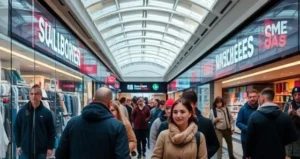
Why High-Traffic Retail Locations Need Advanced Security
Retail stores in crowded areas operate under constant pressure. Unlike small or low-traffic stores, these environments deal with large numbers of customers moving quickly, often making it difficult for staff to monitor behavior effectively. This creates opportunities for shoplifting, distraction theft, and even coordinated criminal activity.
In such settings, traditional security methods like manual monitoring or basic CCTV are not enough. Retailers need systems that can analyze behavior, detect suspicious activity, and provide real-time alerts. The goal is not only to prevent theft but also to ensure a safe and smooth shopping experience for genuine customers.
The Role of AI-Powered Surveillance in Modern Retail
One of the biggest advancements in retail security is the integration of artificial intelligence. AI-powered CCTV systems can identify unusual behavior patterns such as loitering, repeated visits to high-value areas, or sudden crowd formation. These systems reduce the reliance on human observation and provide a proactive layer of protection.
For example, in a busy clothing store, AI can detect when someone is attempting to conceal items or acting suspiciously around fitting rooms. Alerts can be sent instantly to staff, allowing them to respond before a theft occurs. This level of automation is especially important in large retail environments where manual monitoring is not practical.
Retailers investing in modern retail securty service solutions often prioritize AI integration because it improves both accuracy and response time.
Smart Access Control for Staff and Stock Areas
Another critical component in high-traffic retail environments is access control. Not all security threats come from customers. Internal theft and unauthorized access to stockrooms are major concerns, especially in larger stores with multiple employees.
Modern access control systems use keycards, biometric verification, or mobile-based authentication to restrict entry to sensitive areas. This ensures that only authorized personnel can access stockrooms, cash offices, and management zones.
In high-risk environments, access logs can also be monitored in real time. If unusual access patterns are detected, such as repeated entry during off-hours, the system can trigger alerts. This adds an additional layer of accountability and reduces the risk of internal shrinkage.
Electronic Article Surveillance (EAS) in Busy Stores
Electronic Article Surveillance systems remain one of the most effective tools in retail security, but their implementation in high-traffic stores requires careful planning. In crowded entrances, poorly placed EAS gates can cause false alarms or slow down customer flow.
Modern EAS systems are designed to be more accurate and less intrusive. They can differentiate between tagged and non-tagged items more effectively, reducing false alerts. Additionally, integration with POS systems ensures that tags are deactivated correctly during checkout.
In high-footfall locations, EAS systems should be strategically positioned to balance security with customer convenience. The goal is to deter theft without creating a negative shopping experience.
Real-Time Monitoring and Remote Security Management
High-traffic retail stores often benefit from centralized monitoring systems. Instead of relying solely on in-store staff, retailers can connect their security systems to remote monitoring centers. This allows trained professionals to oversee multiple locations simultaneously.
Remote monitoring is particularly useful for identifying patterns across different stores. For example, if a group of shoplifters targets multiple locations, the system can detect similarities and alert all stores in the network.
This approach is widely used in urban retail hubs, where coordinated theft is more common. By combining local security measures with centralized intelligence, retailers can significantly improve their response capabilities.
Customer Safety as a Security Priority
In busy retail environments, security is not just about preventing theft—it is also about ensuring customer safety. Large crowds increase the risk of accidents, conflicts, and emergency situations. A well-designed retail security system should include features that address these risks.
For example, modern CCTV systems can detect overcrowding and alert staff to manage foot traffic. Emergency communication systems can be integrated to guide customers during evacuations. Panic buttons and incident reporting tools can help staff respond quickly to emergencies.
Retailers who focus on safety as part of their security strategy often see improved customer trust and brand reputation. In competitive markets, this can be a significant advantage.
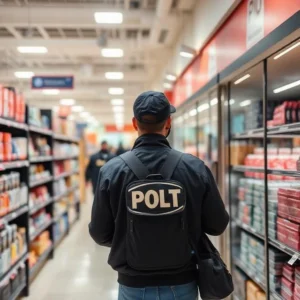
Data-Driven Security Strategies
One of the most powerful aspects of modern retail security systems is their ability to generate data. Every camera, sensor, and access control point collects information that can be analyzed to improve security strategies.
For instance, retailers can identify peak theft times, high-risk product categories, and vulnerable store areas. This data can then be used to optimize staff deployment, adjust store layouts, and enhance surveillance coverage.
In high-traffic environments, data-driven decision-making is essential. It allows retailers to move from reactive security to proactive risk management, reducing losses and improving operational efficiency.
Integration with Retail Operations
Modern retail security systems are no longer standalone solutions. They are integrated with other retail technologies such as POS systems, inventory management, and customer analytics platforms.
This integration provides a holistic view of store operations. For example, if a product is frequently flagged by EAS systems but not recorded in sales data, it may indicate a theft issue. Similarly, integration with inventory systems can help track discrepancies in real time.
Retailers adopting modern retail securty service solutions often benefit from this level of integration, as it enhances both security and business intelligence.
Challenges in High-Traffic Retail Security
Despite technological advancements, high-traffic retail environments still present unique challenges. One of the biggest issues is balancing security with customer experience. Overly aggressive security measures can make customers feel uncomfortable, while insufficient security can lead to losses.
Another challenge is system scalability. As stores expand or foot traffic increases, security systems must be able to adapt without major disruptions. This requires flexible, modular solutions that can grow with the business.
Training is also critical. Even the most advanced systems are only as effective as the people using them. Staff must be trained to understand alerts, respond appropriately, and maintain a professional approach to security.
Future Trends in Retail Security
The future of retail security in high-traffic environments is focused on automation, intelligence, and seamless integration. Technologies such as facial recognition, behavior analytics, and IoT-based sensors are becoming more common.
Cloud-based security platforms are also gaining popularity, allowing retailers to manage their systems from anywhere. This is particularly useful for multi-location businesses that need centralized control.
As technology continues to evolve, the focus will shift from simply preventing theft to creating smarter, safer, and more efficient retail environments.
Final Thoughts
Retail security in high-traffic urban locations requires a completely different approach compared to traditional store setups. It is not just about installing cameras or alarms, it is about creating an intelligent, integrated system that can handle real-world challenges.
By combining AI-powered surveillance, smart access control, advanced EAS systems, and data-driven strategies, retailers can protect their assets while maintaining a positive customer experience. Investing in solutions like modern retail securty service ensures that businesses stay ahead of evolving threats and operate with confidence in even the busiest retail environments.
In today’s competitive retail landscape, security is not just a necessity, it is a strategic advantage.