


Threat level increased from SUBSTANTIAL to SEVERE
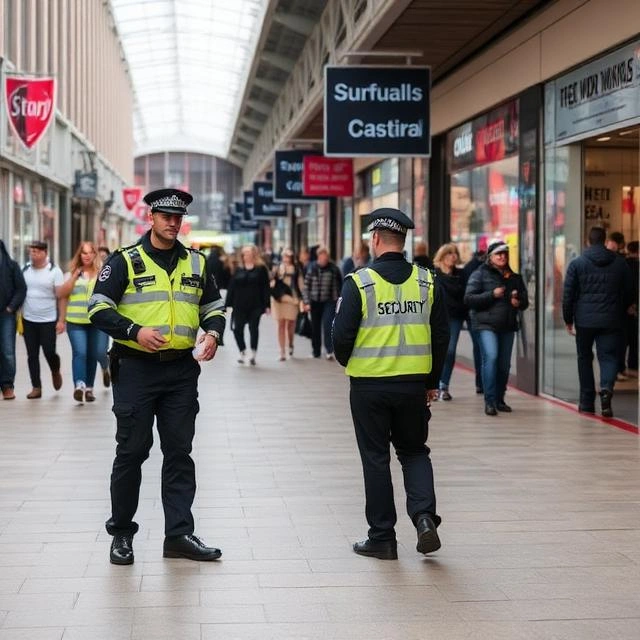
Choosing between manned guarding and CCTV depends on four factors: physical response, surveillance coverage, response time, and cost. While guards offer real-time intervention and human judgement, CCTV provides continuous footage and scalable multi-zone coverage. Most commercial properties require a hybrid approach tailored to their specific risk profile. This guide explores the strengths of each and how to optimise your security setup.
Manned guarding offers four unique capabilities: physical intervention, real-time access control, emergency response, and contextual human judgement. This judgement involves reading subtle environmental cues—such as atmosphere changes—that current AI technology cannot replicate. Unlike cameras, a guard can physically stop trespassers, manage building entrances, and provide immediate first aid.
CCTV excels in three areas: continuous multi-zone coverage, post-incident evidence gathering, and cost-effective monitoring for large sites where frequent physical intervention isn't required.
A site assessment identifies threat scenarios, consequences, and vulnerabilities. This data determines whether guarding, CCTV, or a hybrid model is the most proportionate response for the property.
| Risk Level | Typical Site Characteristics | Recommended Approach |
|---|---|---|
| High | High-value assets, public access, incident history | Manned guarding + CCTV |
| Medium | Mixed access, moderate asset value, occasional incidents | CCTV monitoring + keyholding and rapid response |
| Low | Infrequent access, low asset value, no incident history | CCTV monitoring + alarm system |
Response time is critical: on-site guards react within seconds, whereas remote CCTV alerts require minutes for police or mobile units to arrive. This delay can be the difference between prevention and loss.
CCTV monitoring can cost up to 90% less than full-time personnel on a per-hour basis. However, calculations must include installation, maintenance, and the potential financial cost of a security breach.
In the UK, security guard salaries vary by role and experience level:
Guarding costs include salaries, SIA licensing, and shift management. A hybrid model—CCTV for continuous coverage and guards for high-risk periods—often yields the best cost-to-coverage ratio for medium-to-large commercial sites. Furthermore, robust security measures often lead to lower insurance premiums, which should be included in the total cost-of-ownership calculation.
CCTV costs involve initial installation followed by monthly monitoring subscriptions. For sites with existing hardware, switching to remote monitoring is significantly more cost-effective than employing full-time staff.
Note: A hybrid model often provides the best ROI. The cost of a single serious incident—theft, damage, or harm—frequently exceeds the annual savings of choosing the cheapest security option.
Construction sites need guards during active hours and CCTV overnight. Corporate offices require guards at entry points for access control and tailgating prevention, with CCTV covering common areas. Retail stores benefit from a hybrid approach where CCTV provides definitive evidence while the guard serves as a vital real-time deterrent against active theft.
How can we help you?